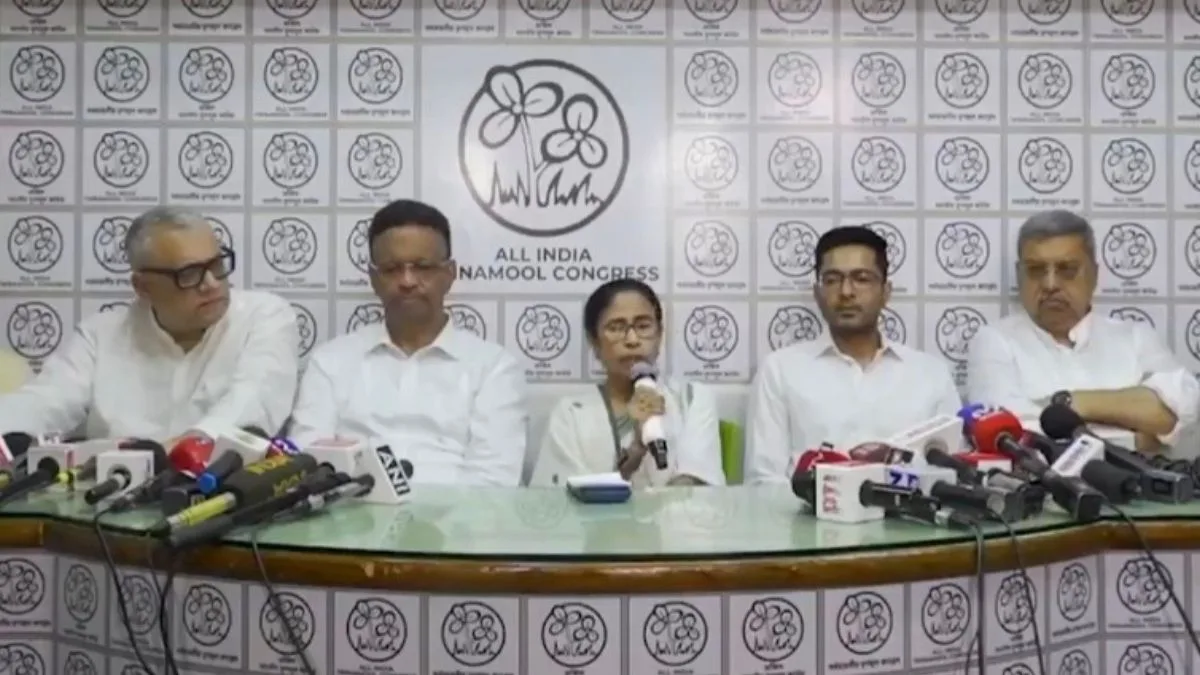
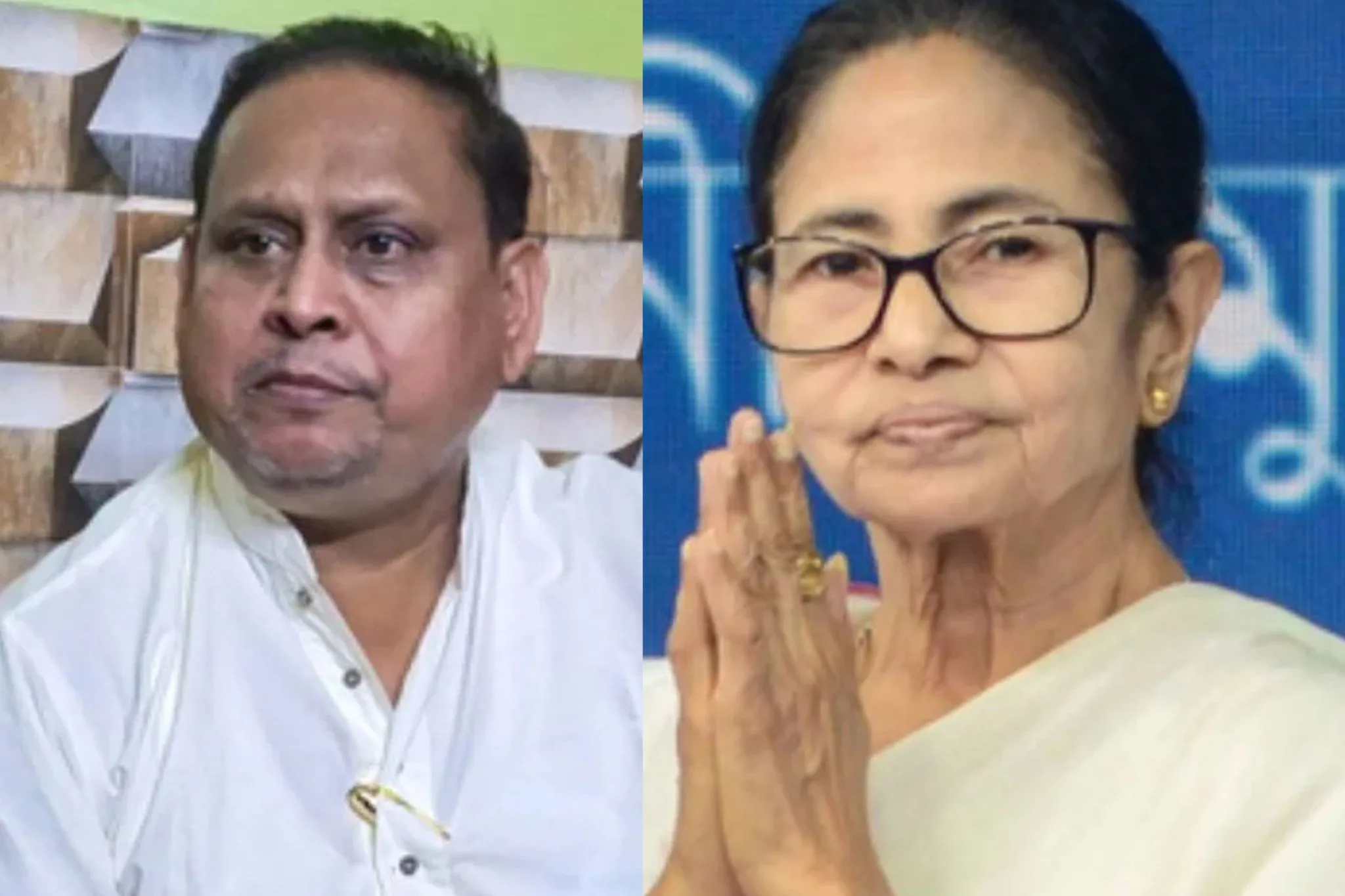
Outgoing West Bengal Chief Minister Mamata Banerjee on Tuesday refused to step down after her party’s crushing defeat in the state Assembly elections 2026 at the hands of the BJP.
Banerjee’s party was reduced to 80 seats in the 294-member West Bengal Legislative Assembly. The BJP won 207 seats, 60 more than the majority mark of 147.
Advertisement
Addressing a presser in Kolkata, Mamata claimed that the outcome of the elections was not the mandate of the people but a “conspiracy” by the BJP and the Election Commission of India.
This is probably the first such instance when an outgoing chief minister has refused to step down despite losing the elections.
But the big question here is — can a Chief Minister refuse to resign despite losing the majority in elections? An even bigger question is, does it even matter?
What are the Constitutional provisions?
Article 172 of the Constitution of India fixes the Legislative Assembly’s five-year term. This also frames the tenure of a Chief Minister.
According to Article 164 of the Constitution, the Chief Minister holds office during the pleasure of the Governor, which is contingent on majority support in the Assembly. “The Chief Minister shall be appointed by the Governor and the other Ministers shall be appointed by the Governor on the advice of the Chief Minister, and the Ministers shall hold office during the pleasure of the Governor.”
Following the Bengal polls, the BJP secured the majority with 207 seats, and the TMC was reduced to 80 seats. In the 294-member House, 147 is the majority mark.
With the TMC losing elections and, thus, majority in Assembly, Banerjee’s continuation in office would be against the constitutional requirement of holding the CM’s post.
Moreover, the Governor has the power to invite the majority party, which is the BJP in Bengal’s case, to form the government once results are officially notified. When he does that, Banerjee’s refusal to resign may not even matter.